No or weak heat
A home that stays cold or warms slowly may point to ignition, circulation, thermostat, zone, or other equipment problems.
Boiler Replacement in Brighton CO helps property owners address heating equipment that is not performing as expected. We assess the system, identify the likely cause, and explain the available options before work begins.
Tell us what is happening and a local dispatcher will confirm the next step.
Call Now +1 (720) 735-8049 → No spam. No obligation. Just practical help.Boiler replacement swaps an old or failing boiler for a new one. It is worth considering when the boiler is near the end of its life, needs frequent repairs, or wastes fuel. A technician can compare repair and replacement so you can decide with clear options.
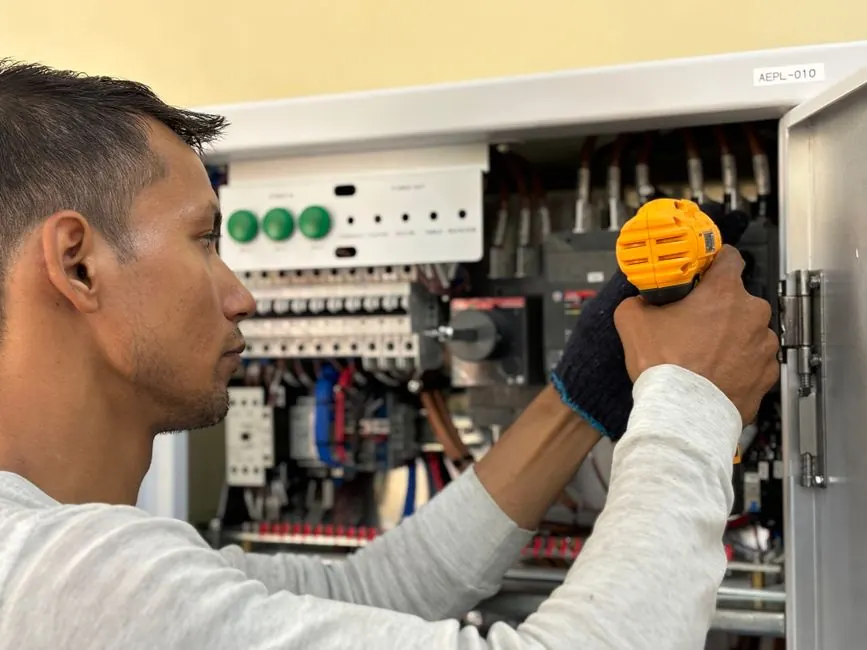
Boiler Swap in Brighton is planned around the type of equipment, the building, and the heating demand. We look beyond a single component so the recommended work fits the complete system.
Depending on the job, that may include the heat exchanger, pump, expansion equipment, valves, thermostat, controls, radiators, baseboards, piping, or venting.
We start with the condition of the equipment and the symptoms reported by the customer.
We look at the overall state of the boiler and its connected parts, including visible wear, corrosion, leaks, and signs of past problems, so the condition of the equipment is clear before any work is discussed.
We check circulation, operating controls, temperature response, and visible connections as appropriate to the system.
Safety-related components are inspected within the scope of the service so problems can be identified before they become larger issues.
We offer guidance on operating your new boiler and schedule follow-up checks to ensure optimal performance.
We listen to the symptoms, review the equipment history when available, and identify the areas that need inspection.
The technician checks relevant components and records useful readings before deciding what needs attention.
You receive a clear explanation of the findings and the practical options for moving forward.
Approved work is completed using appropriate parts, tools, and manufacturer-aware procedures.
The system is tested after service and the next maintenance or monitoring step is explained when useful.
Pressure readings can help identify problems with a closed hydronic system.
A replacement starts with the condition of the old system and the heating needs of the home, so the new boiler is sized and set up correctly.
Temperature checks help compare supply and return performance and identify uneven heating.
Where appropriate, electrical checks help assess controls, thermostats, pumps, and related components.
Visual inspection can reveal corrosion, leakage, damaged insulation, loose connections, or signs of overheating.
A system that stops producing heat can have several possible causes, so diagnosis matters before parts are changed.
After the fault is found and repaired, the system is tested to confirm steady heat reaches the home before the visit ends.
Some rooms stay cold while others overheat, or radiators warm slowly. Trapped air, circulation, controls, or balancing issues are common causes.
Once the cause is found, the affected zones are checked again so heat is distributed more evenly across the home.
Visible water, repeated pressure loss, or a gauge reading that keeps moving may involve valves, fittings, expansion equipment, or other connected components.
After the repair, pressure is checked and the system is tested to confirm it holds steady without further leaks.
A home or business that cannot reach the expected temperature may need a system diagnosis.
Ask a pro →A home that stays cold or warms slowly may point to ignition, circulation, thermostat, zone, or other equipment problems.
Banging, kettling, humming, or repeated clicking can indicate a component or flow problem.
Visible water or repeated pressure loss should be investigated instead of simply adding water again and again.
The clearest signs are age over 15 years, rising energy bills, frequent repairs, strange noises, leaks, and uneven heating throughout the home.
Most residential boilers last 15 to 20 years with regular maintenance. Cast iron units can reach 25 to 30 years. Neglected systems often fail much sooner.
Usually yes. Older boilers lose efficiency over time, and modern high-efficiency units can cut heating costs noticeably compared to a worn-out system.
A small repair on a well-maintained unit can make sense. But a major repair, like a cracked heat exchanger, on an old system usually means replacement is the better investment.
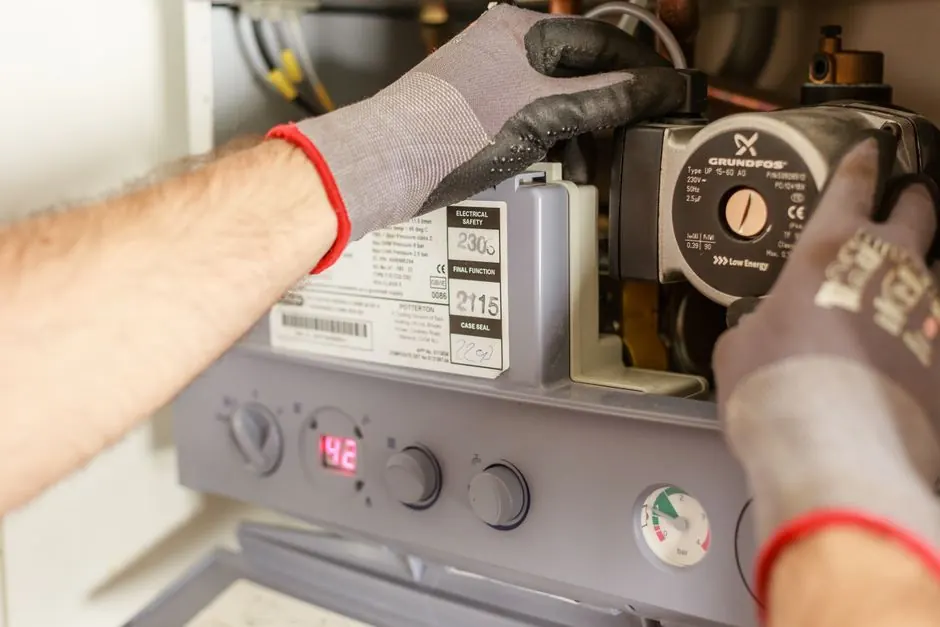 Boiler RepairOur Boiler Repair services ensure your heating system runs smoothly, addressing issues before they necessitate a full replacement.Explore →
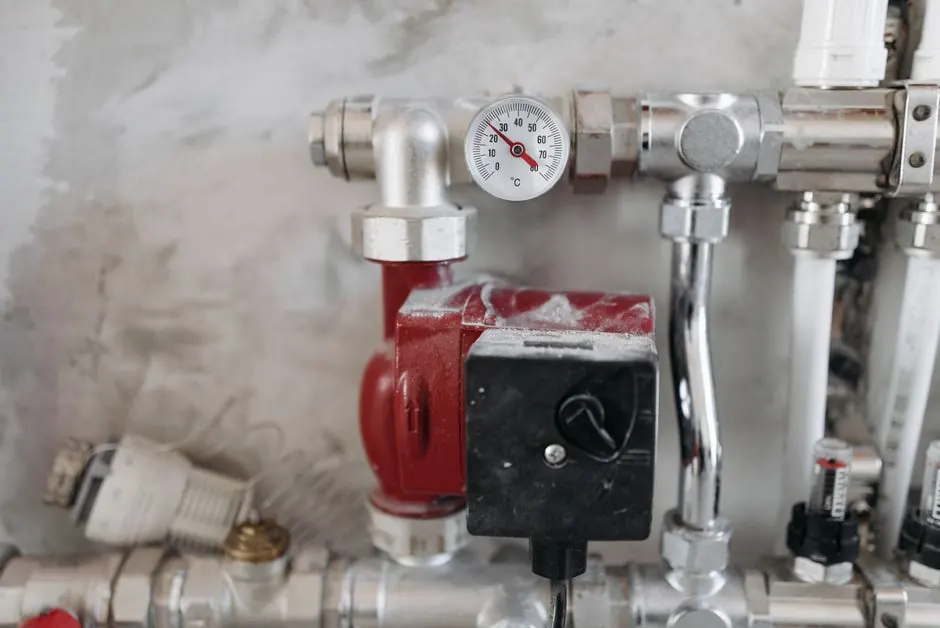 Boiler InstallationIn addition to replacements, we specialize in new Boiler Installation, helping you choose the right system for your home from the start.Explore →
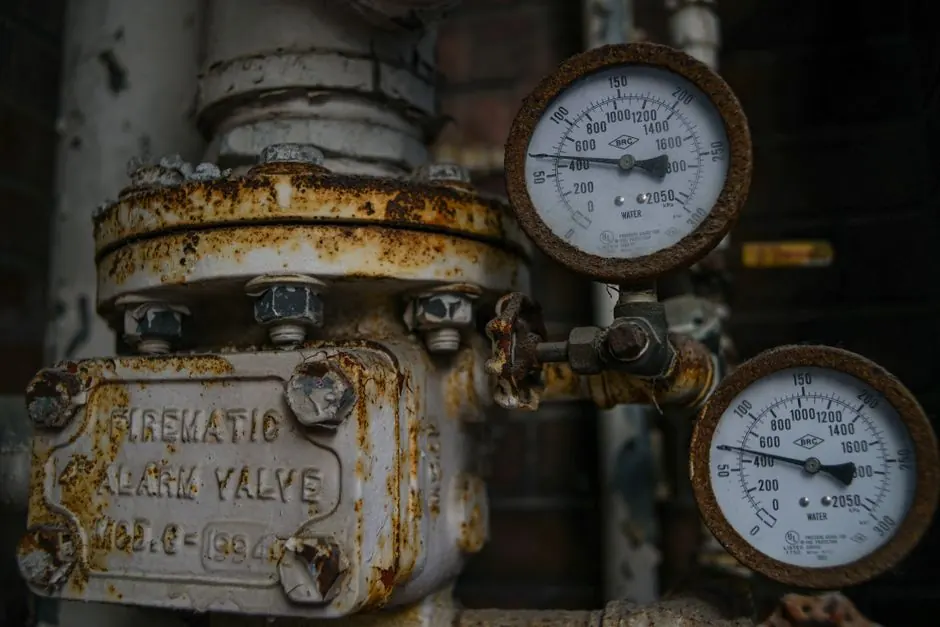 Boiler MaintenanceRegular Boiler Maintenance helps extend the life of your system, ensuring it operates efficiently and safely year-round.Explore →
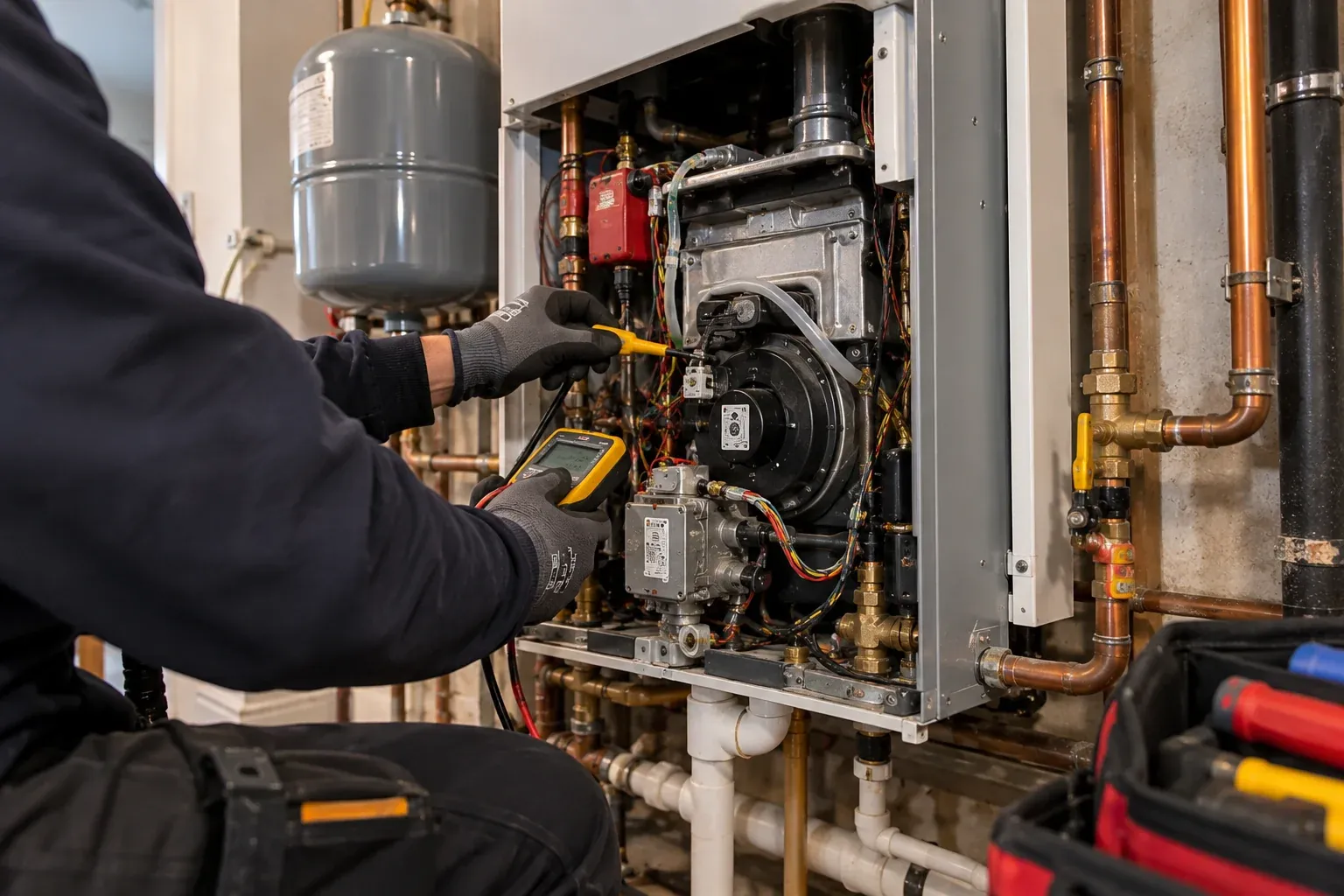 Boiler Tune-UpOur Boiler Tune-Up services optimize performance, identifying potential issues before they require costly repairs or replacements.Explore →
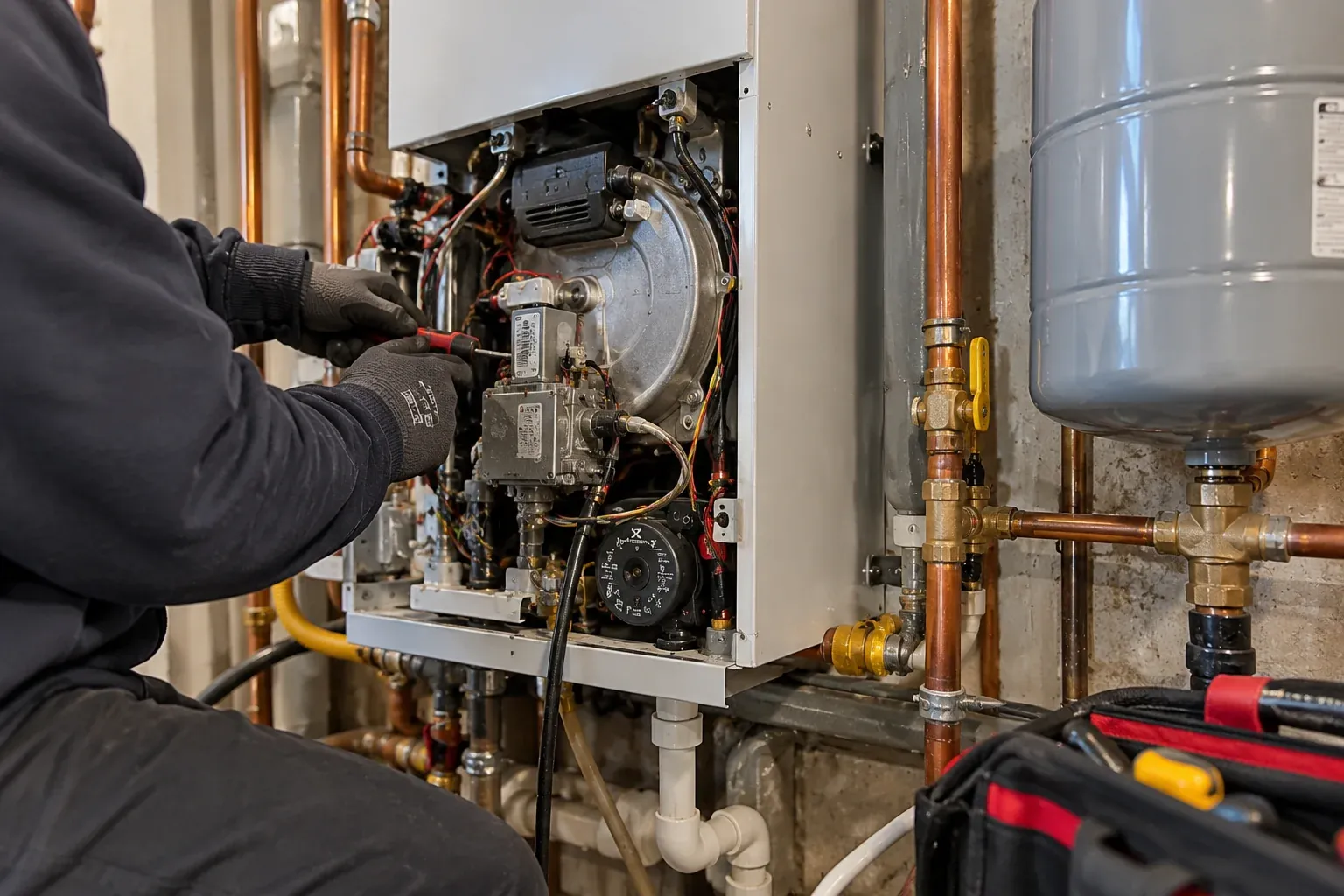 Gas Boiler RepairWe handle Gas Boiler Repair with precision, ensuring your system operates safely and efficiently, reducing the risk of gas leaks.Explore →
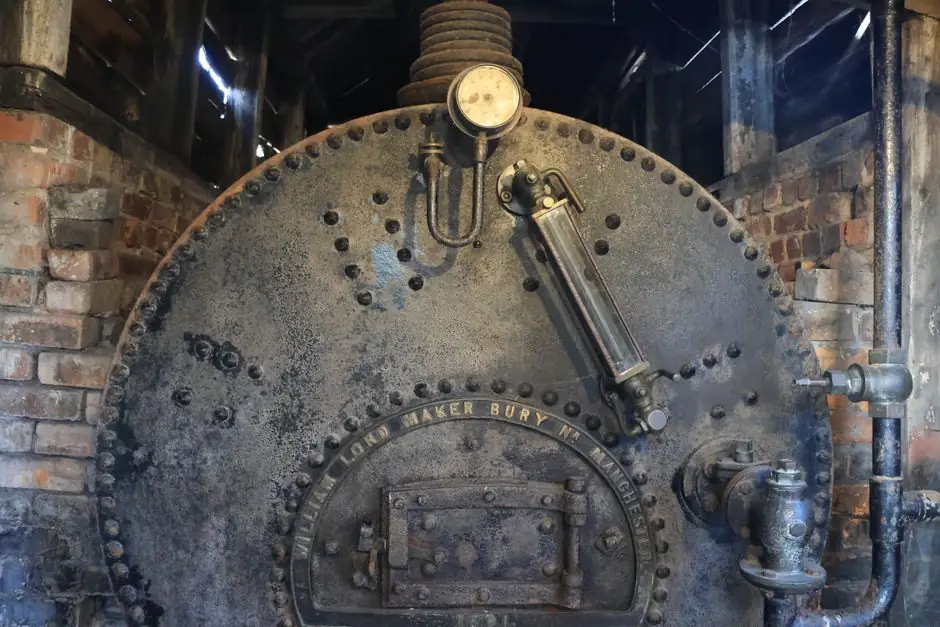 Steam Boiler RepairOur Steam Boiler Repair services address specific issues related to steam systems, ensuring reliable heating for your home.Explore →
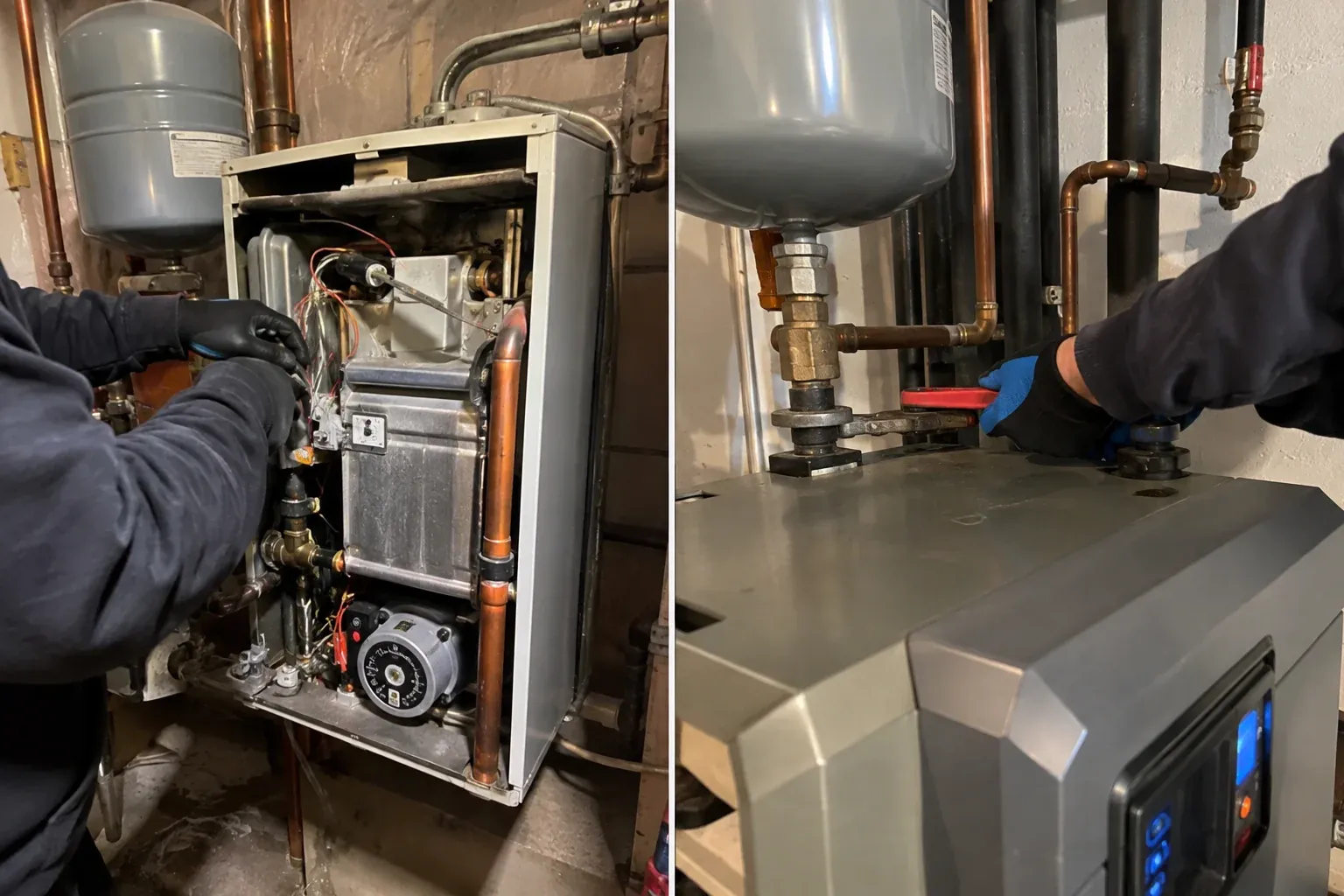 Commercial Boiler RepairWe also provide Commercial Boiler Repair services, catering to businesses needing efficient heating solutions.Explore →
Contact Brighton Boiler Pros to discuss your system and arrange boiler replacement in brighton co. We will start with the symptoms and help determine the appropriate next step.
Get a Quote +1 (720) 735-8049 →Tell us what you are seeing, what equipment you have, and where the system is located. We will confirm the appointment details.
Back to the boiler repair Brighton home page.