No or weak heat
A home that stays cold or warms slowly may point to ignition, circulation, thermostat, zone, or other equipment problems.
Gas Boiler Repair in Brighton CO helps property owners address heating equipment that is not performing as expected. We assess the system, identify the likely cause, and explain the available options before work begins.
Tell us what is happening and a local dispatcher will confirm the next step.
Call Now +1 (720) 735-8049 → No spam. No obligation. Just practical help.Gas boiler repair fixes problems such as a boiler that will not ignite, short-cycles, makes noise, or leaks. Gas appliances need careful handling, so a technician checks the gas supply, ignition, venting, and controls. If you smell gas, leave the home right away and call your gas utility or 911 from outside.
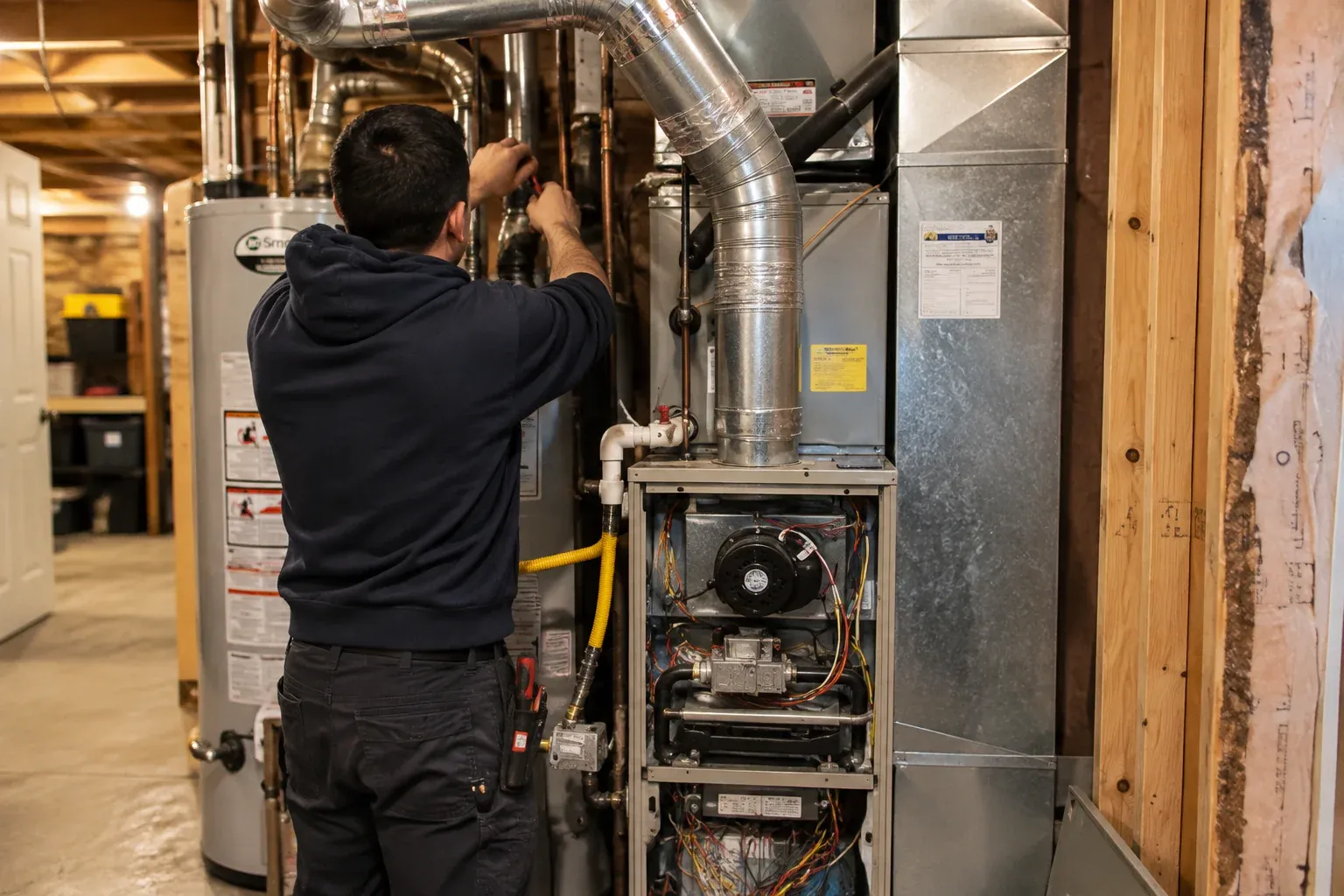
Natural Gas Heating Repair is planned around the type of equipment, the building, and the heating demand. We look beyond a single component so the recommended work fits the complete system.
Depending on the job, that may include the heat exchanger, pump, expansion equipment, valves, thermostat, controls, radiators, baseboards, piping, or venting.
We start with the condition of the equipment and the symptoms reported by the customer.
We look at the overall state of the boiler and its connected parts, including visible wear, corrosion, leaks, and signs of past problems, so the condition of the equipment is clear before any work is discussed.
We check circulation, operating controls, temperature response, and visible connections as appropriate to the system.
Safety-related components are inspected within the scope of the service so problems can be identified before they become larger issues.
Testing after the work helps confirm that the system responds correctly and that the recommended repair or adjustment has addressed the reported problem.
We listen to the symptoms, review the equipment history when available, and identify the areas that need inspection.
The technician checks relevant components and records useful readings before deciding what needs attention.
You receive a clear explanation of the findings and the practical options for moving forward.
Approved work is completed using appropriate parts, tools, and manufacturer-aware procedures.
The system is tested after service and the next maintenance or monitoring step is explained when useful.
Pressure readings can help identify problems with a closed hydronic system.
A gas boiler visit covers the burner, ignition, gas supply components, controls, and safety devices, with findings explained before further work.
Temperature checks help compare supply and return performance and identify uneven heating.
Where appropriate, electrical checks help assess controls, thermostats, pumps, and related components.
Visual inspection can reveal corrosion, leakage, damaged insulation, loose connections, or signs of overheating.
A system that stops producing heat can have several possible causes, so diagnosis matters before parts are changed.
After the fault is found and repaired, the system is tested to confirm steady heat reaches the home before the visit ends.
Some rooms stay cold while others overheat, or radiators warm slowly. Trapped air, circulation, controls, or balancing issues are common causes.
Once the cause is found, the affected zones are checked again so heat is distributed more evenly across the home.
Visible water, repeated pressure loss, or a gauge reading that keeps moving may involve valves, fittings, expansion equipment, or other connected components.
After the repair, pressure is checked and the system is tested to confirm it holds steady without further leaks.
A home or business that cannot reach the expected temperature may need a system diagnosis.
Ask a pro →A home that stays cold or warms slowly may point to ignition, circulation, thermostat, zone, or other equipment problems.
Banging, kettling, humming, or repeated clicking can indicate a component or flow problem.
Visible water or repeated pressure loss should be investigated instead of simply adding water again and again.
Mention whether the boiler produces no heat or weak heat, any unusual sounds or smells, leaks or pressure changes, and pilot or ignition problems, along with when the problem started. If you smell gas, leave the home and call your gas utility or 911 from outside first.
The technician inspects the burner, ignition, gas supply components, pressure, controls, and safety devices, and reviews the symptoms you reported. The findings are then explained along with the practical options.
Often, yes. Older gas systems can usually be assessed, and repair, parts replacement, or an upgrade can be compared based on the condition of the equipment, parts availability, and safety.
Replacement is worth discussing when a gas boiler is older, needs frequent or expensive repairs, has a major failure such as a cracked heat exchanger, or has become inefficient. The technician can explain the condition of the system and the options before you decide.
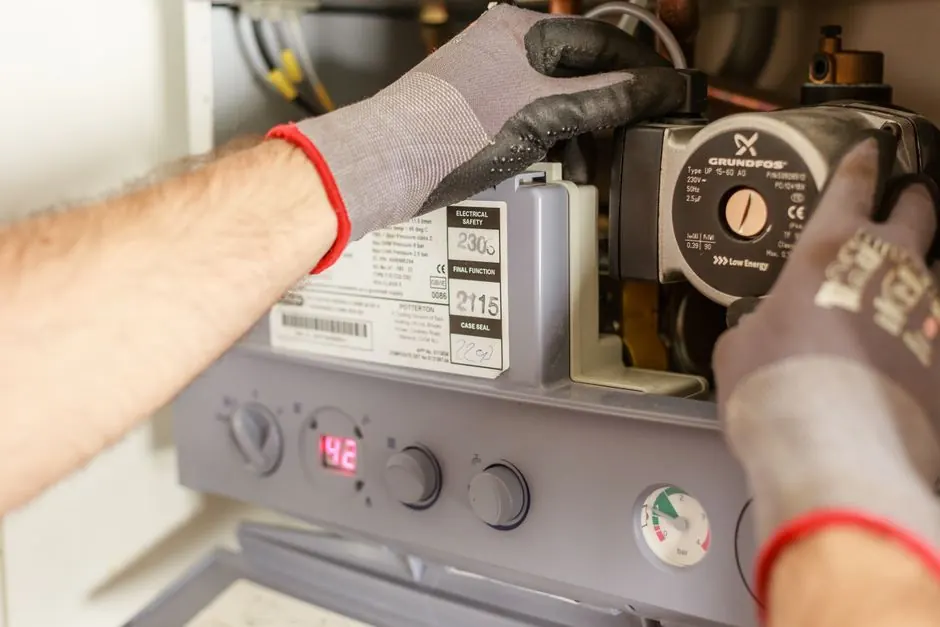 Boiler RepairOur Boiler Repair service addresses a range of heating issues, ensuring your system runs efficiently and safely.Explore →
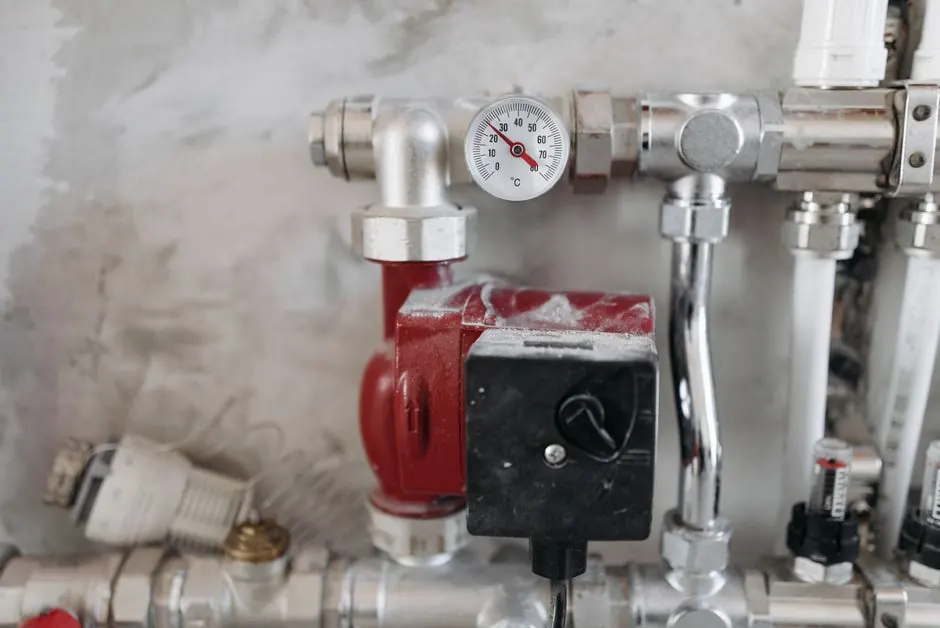 Boiler InstallationOur Boiler Installation service ensures you have a reliable heating system that meets your home's specific needs.Explore →
 Boiler ReplacementWhen it's time for a new system, our Boiler Replacement service helps you choose the right model for your home.Explore →
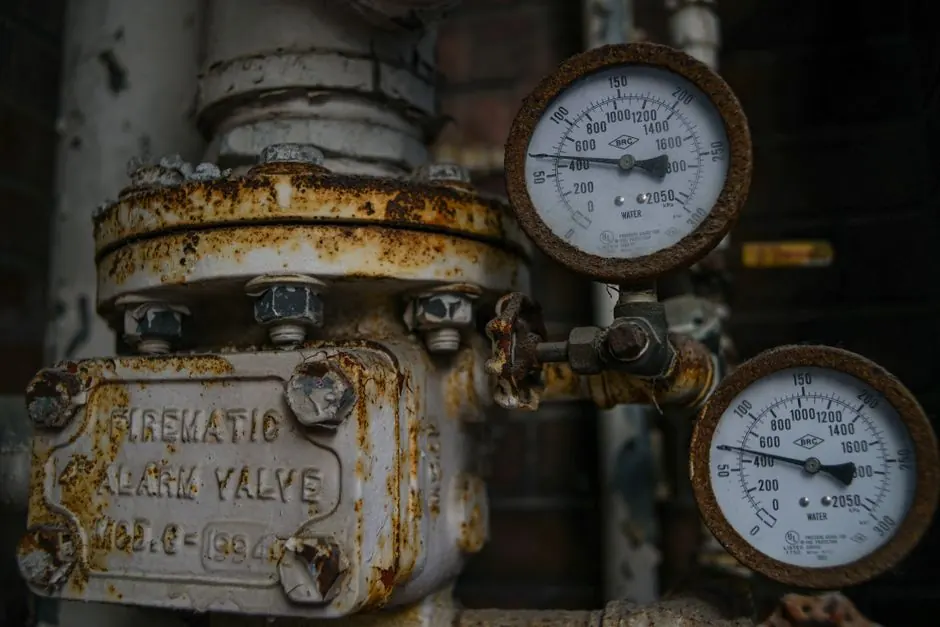 Boiler MaintenanceRegular Boiler Maintenance can prevent costly repairs and extend the life of your heating system.Explore →
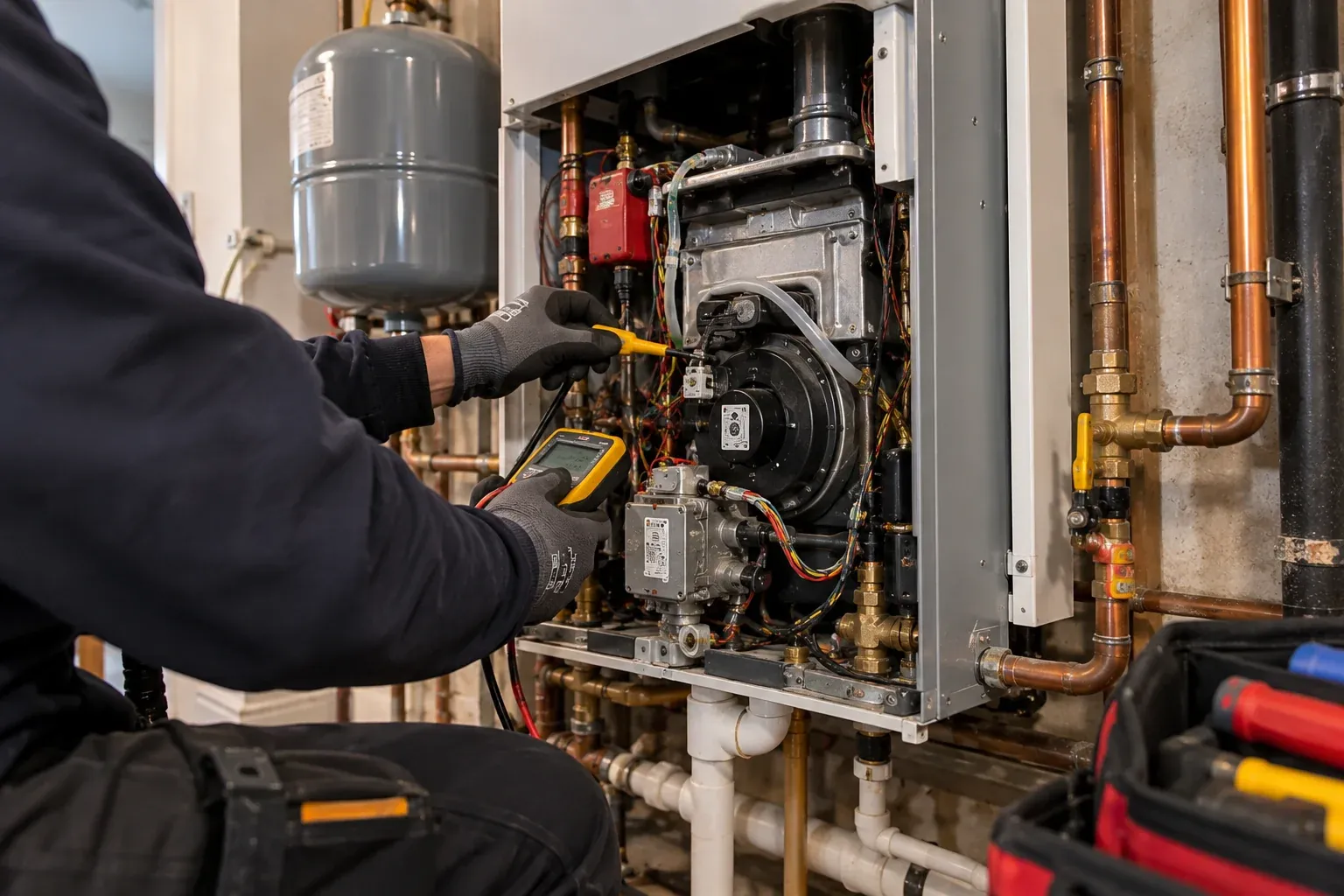 Boiler Tune-UpOur Boiler Tune-Up service ensures your system is running at peak efficiency, reducing energy costs.Explore →
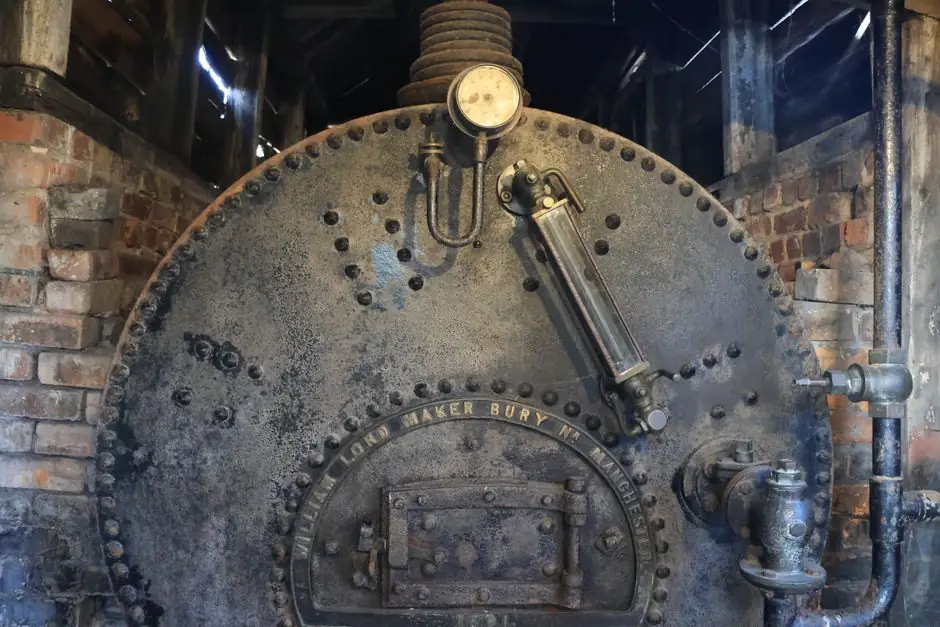 Steam Boiler RepairWe specialize in Steam Boiler Repair, addressing issues specific to steam heating systems.Explore →
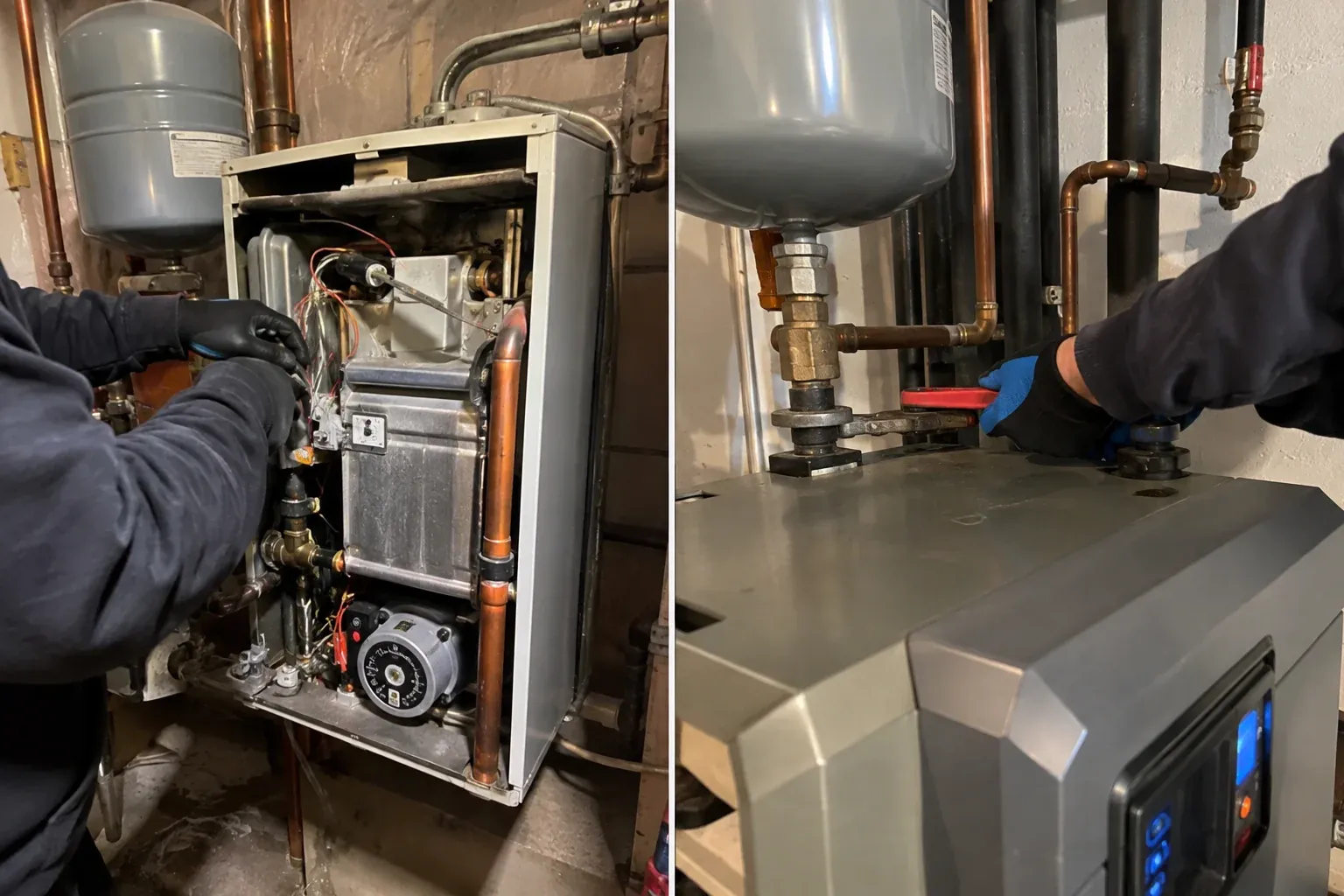 Commercial Boiler RepairOur Commercial Boiler Repair service caters to businesses, ensuring their heating systems are reliable and efficient.Explore →
Contact Brighton Boiler Pros to discuss your system and arrange gas boiler repair in brighton co. We will start with the symptoms and help determine the appropriate next step.
Get a Quote +1 (720) 735-8049 →Tell us what you are seeing, what equipment you have, and where the system is located. We will confirm the appointment details.
For the complete overview, visit our Brighton boiler repair home page.